
12 Witchcraft Altar Ideas for Beginners
Introduction
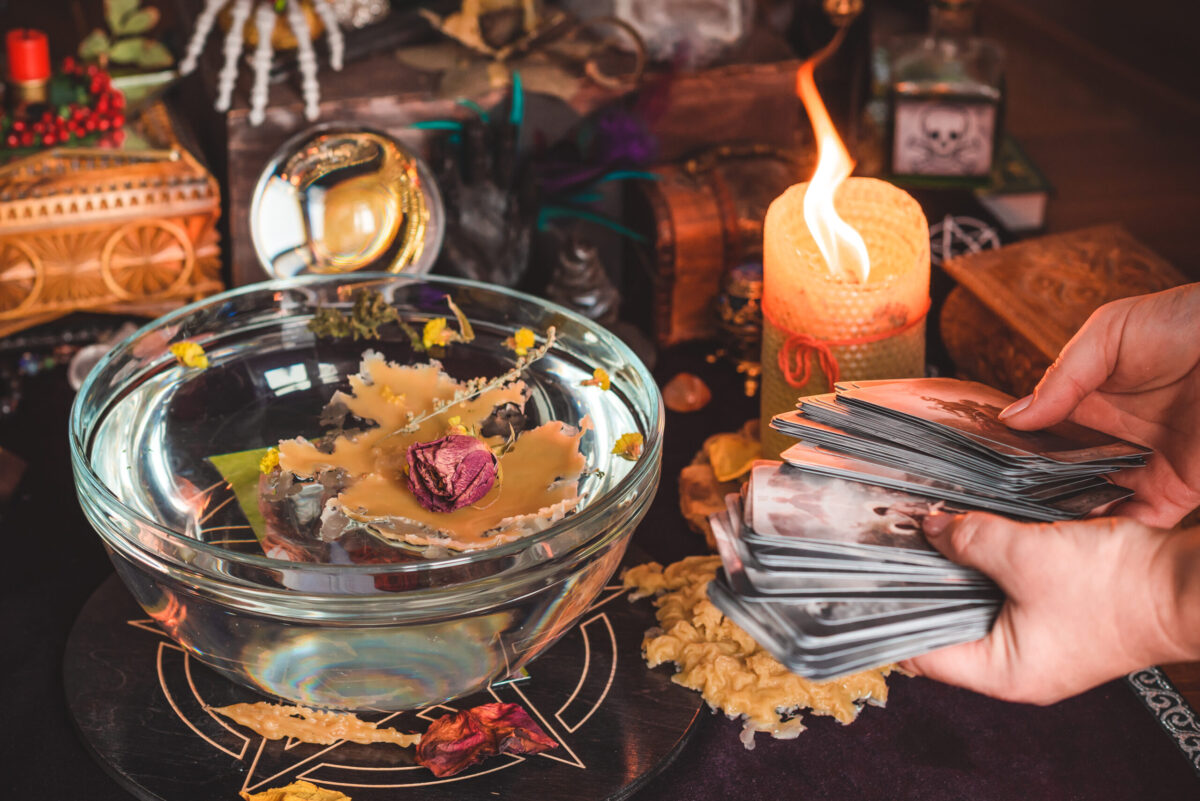
If you’re creating your first altar, here are some popular witchcraft altar ideas to inspire a space that truly resonates with you—whether it’s adorned with natural treasures, traditional ritual tools or simply items that feel spiritually significant. Your altar doesn’t need to be elaborate; it just needs to be meaningful.
The difference between witchcraft altars and Wiccan altars
While witchcraft altars and Wiccan altars may look similar at a glance, they reflect different approaches and beliefs.
A witchcraft altar is a personal, often eclectic space used to focus energy, cast spells and perform rituals. Since witchcraft isn’t tied to a single religion, a witch’s altar can vary wildly depending on the practitioner. It might include crystals, herbs, ancestor photos, tarot cards or items connected to personal magic.
A Wiccan altar, by contrast, is part of a structured spiritual path. It usually includes specific ritual tools (like the athame, chalice, wand and pentacle), symbols of the God and Goddess and representations of the four elements. It often follows a traditional layout and is used for celebrating sabbats, esbats, and other religious rites.
In short, all Wiccans are witches but not all witches are Wiccans.
Setting up your altar
Whatever your approach, setting up your first altar is such a rewarding experience—it’s your personal sacred space, where you can connect with the divine, honour the elements and deepen your spiritual practice. If you’re just getting started, you might be wondering how to set up a witch altar and what tools you actually need..
Choosing the right space for your altar
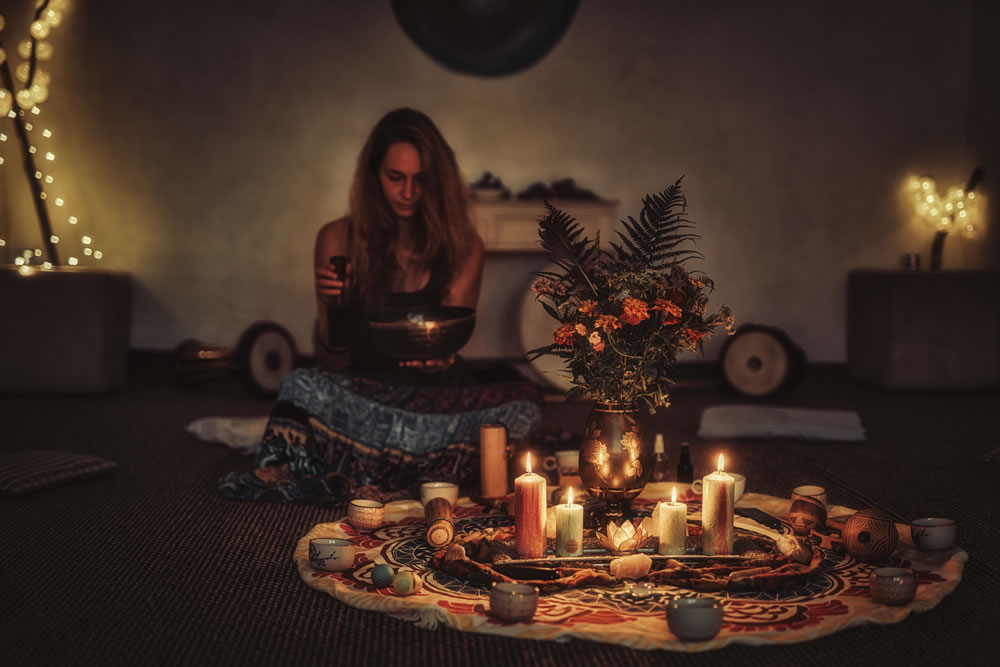
Before setting up your altar, think about where it will be located. There are several factors you need to bear in mind, including the amount of space you have and how private you want it to be.
Also think about environmental factors, like natural light, airflow and whether pets or children might disturb your sacred space.
Think about accessibility.. Most altar tables are low down to accommodate sitting on the floor during rituals. Will you be comfortable doing this or would you prefer an ordinary table and chair? Other things to consider include:
🙏🏻 Privacy: Choose a place where you can practice without interruptions. Remember, your witchcraft altar will be your place of meditation and contemplation, so choose a location that’s free from distractions, where you can feel relaxed.
🧘♀️ Placement: Will your altar be placed on a made-for-purpose altar table, a shelf, a nightstand, a coffee table, a wooden board or just a designated bit of floorspace in an unused room?
✨ Sacred space: Whatever your location, ensure that it feels comfortable and sacred to your purpose and ask people sharing your home to respect your privacy.
Recommended witchcraft altar tools
1. Altar table – Setting the stage
Though not strictly necessary (as, even a space on the floor can serve as an altar) a designated altar table not only looks the part but forms the centrepiece of your sacred space.
If you go for a made-for-purpose altar table then, ideally, it should be made of natural materials such as wood, stone or metal, as these resonate with the energies of the earth. See our recommendations below:


2. Altar cloth – Set the foundation
A beautiful altar cloth really sets the tone for your sacred space. You can swap them out with the seasons, choose colours that correspond to your intentions or just pick one that just looks good or makes you happy.


3. Candles – Representing Fire & Illumination
Candles are a staple of any witchcraft altar, used for spellwork, meditation and honouring deities. Colours symbolise intentions (e.g. green for abundance, white for purity), while flames channel energy and transformation. Anointed or carved with sigils, candles are thought to bridge physical and spiritual realms, whilst embodying the sacred power of fire.



4. Tarot or Oracle Cards – Spiritual Guidance & Divination
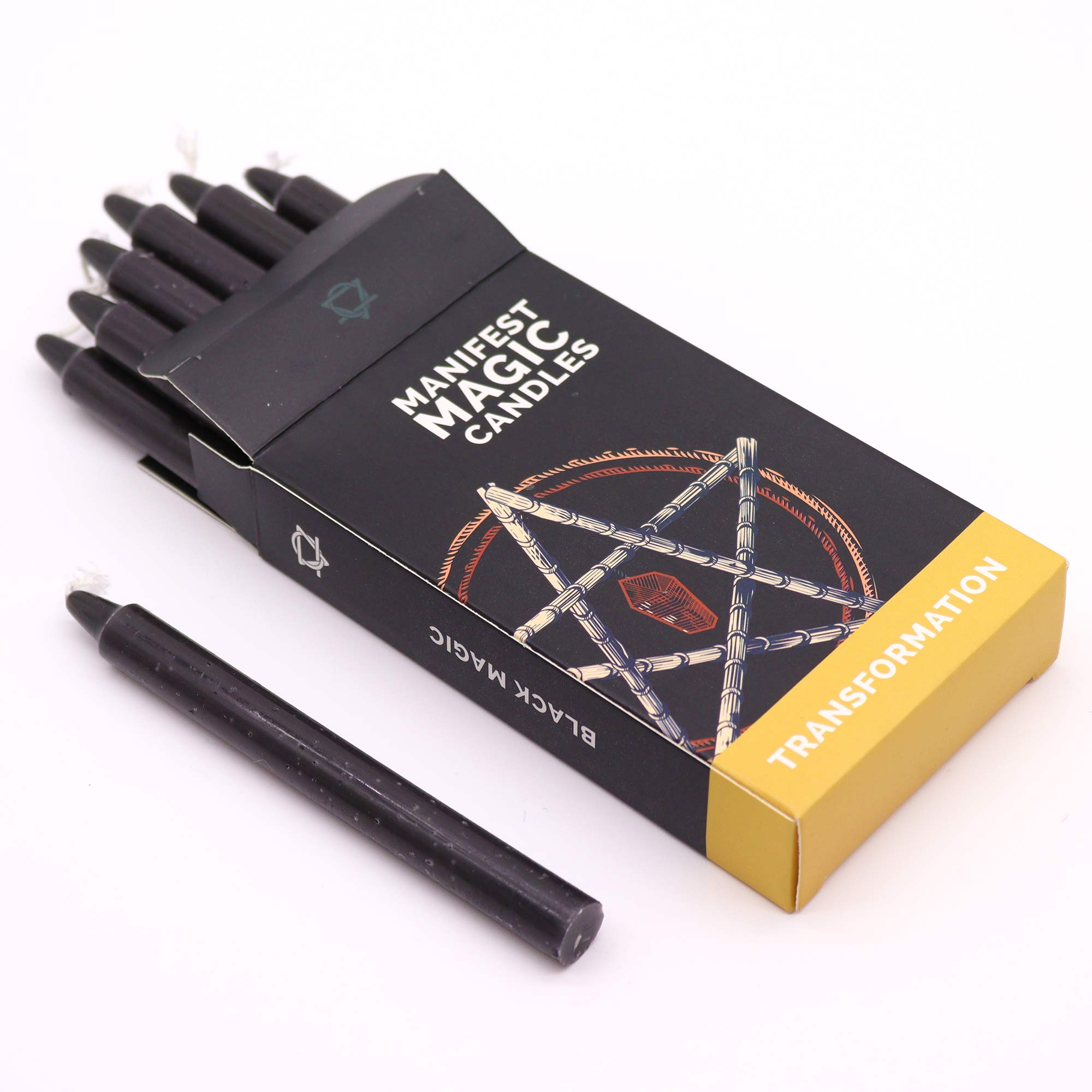
Tarot and/or oracle cards are another common altar tool, which can help connect you with spiritual messages, while offering deep insights into life’s challenges and spiritual growth.
I acquired my first Tarot deck in 2024, after having my own Tarot reading whilst on my hols in Falmouth, Cornwall.
Though, for me, it was just a bit of fun at first, I now find myself using my tarot deck more and more for self-reflection and spiritual insights. I have the classic Rider Waite deck but there are lots of others to choose from.

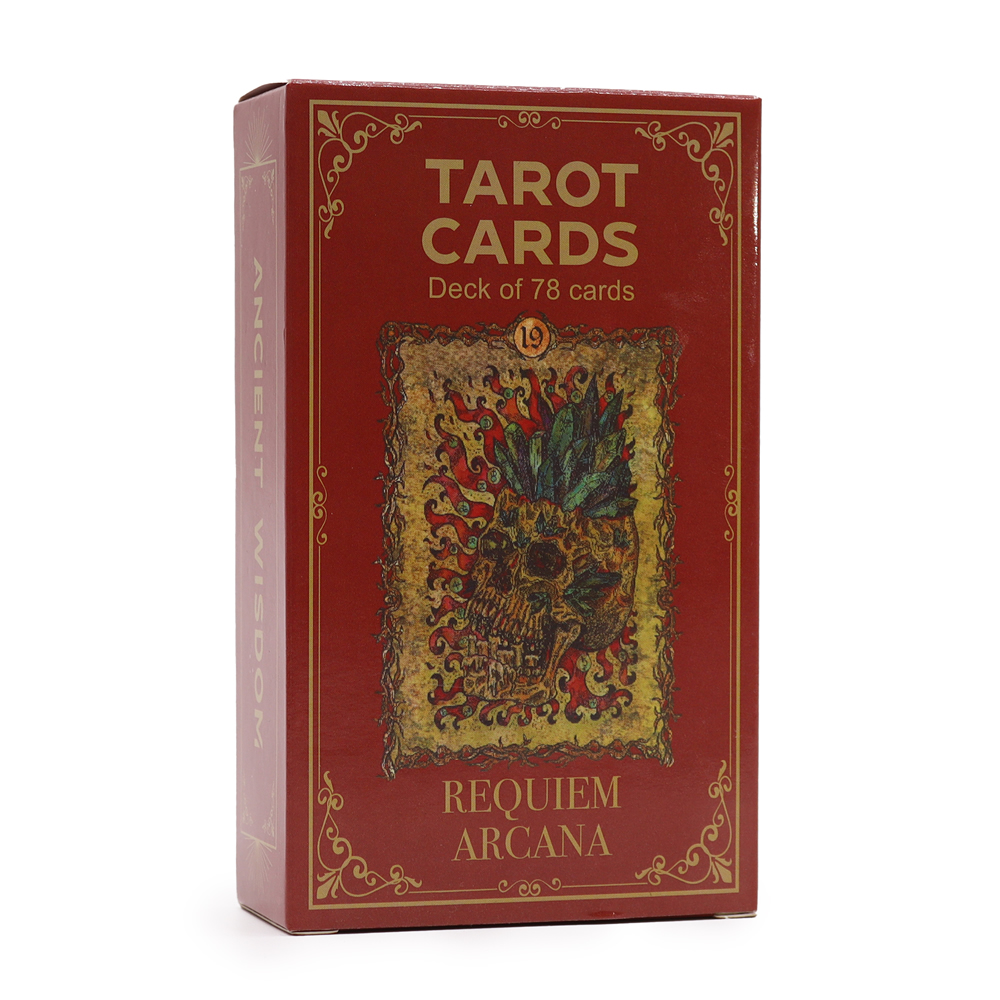


What’s the difference between Tarot cards and Oracle decks? Simply, Tarot follows a structured system of 78 cards split into the Major and Minor Arcana and are good for deep, meaningful readings. Oracle cards tend to be more freeform and intuitive and are great for quick guidance or personal reflection.
5. Incense & Burner – Connecting with Air Element
Incense is a must-have for any witchcraft altar. It’s such a simple yet powerful way to shift the energy of a space. Just the scent transports you into a more relaxed and sacred mindset. Incense has a long history, with different scents carry different energies (e.g. sandalwood for grounding, lavender for soothing and sage for cleansing). Whether you’re using incense sticks, incense cones, a smudge stick or just loose herbs in a cauldron, the ritual of lighting incense and watching the smoke curl into the air adds a beautiful, meditative element to any altar practice.


6. Chalice – Representing Water & the Divine Feminine
In traditional witchcraft and pagan ceremonies, a chalice is any vessel used to hold water or other liquid. It represents the divine feminine but, more than that, it’s a vessel for connection—whether you’re offering wine, herbal tea or moon water in a ritual. The kind of chalice you choose is up to you.. It can be an ornate goblet or a simple ceramic bowl (even an anointed teacup will serve the purpose just as well!). However, if you want a chalice that really looks the part on your altar, here are a few recommended options.


7. Athames and Wands – Directing Energy in Rituals
Athame and wands are used to channel energy during spellwork and invocations. Which one you choose (or if you use both) really comes down to personal preference. An athame (a ritual knife) tends to have a more commanding, focused energy, perfect for cutting energetic ties, casting circles or directing power with precision. A wand, on the other hand, has a softer, more fluid feel, great for inviting in energy, working with the elements or channelling intentions in a more natural, flowing way. If you’re not sure which is right for you, trust your instincts—your tools should feel like an extension of your own energy.


8. Crystals – Enhancing Energy Work
Crystals are powerful tools for grounding, protection and manifestation. Each one has its own unique vibration (e.g. amethyst for intuition, green aventurine for healing or clear quartz to promote harmony). There’s something really grounding about holding a crystal during meditation or placing them around candles and other tools to enhance their energy. Plus, they’re just beautiful to have around! Whether you’re drawn to tumbled stones, raw chunks or polished points, crystals can add a whole new layer of magic to your altar.


9. Offering Bowls – Giving Thanks to Deities & Spirits
Offering bowls are used for placing food, herbs or coins as a gift to spirits or deities. They are such a lovely way to bring gratitude and devotion into your practice. Offerings don’t have to be elaborate; a simple pinch of salt or a few crumbs of bread can hold deep meaning when given with intention. Your offering bowl can be as fancy or as simple as you like—what matters is the energy behind it.


10. Book of Shadows or Grimoire – Recording Your Journey
A Book of Shadows or grimoire is such a personal part of any witchcraft practice—it’s like a spiritual journal, spellbook and reference guide all rolled into one. There’s something really special about flipping back through old notes and seeing how your practice has grown. Some practitioners keep their thoughts beautifully handwritten on lined pages, while others prefer the scribbling approach, often with illustrations (sometimes with pressed herbs or flowers!). But, there’s no right or wrong way to do it. What matters is that it reflects you and becomes a trusted companion on your path.


11. Cauldron – A Versatile Ritual Tool
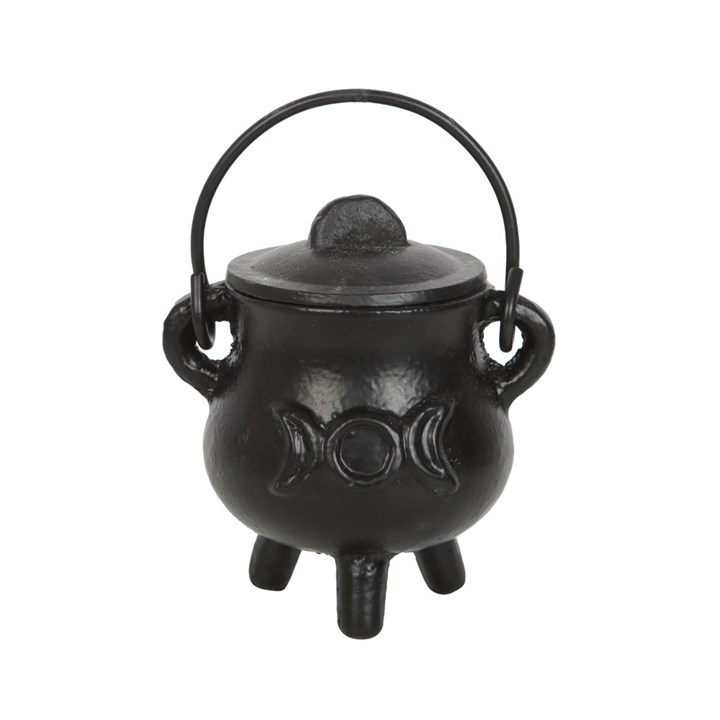
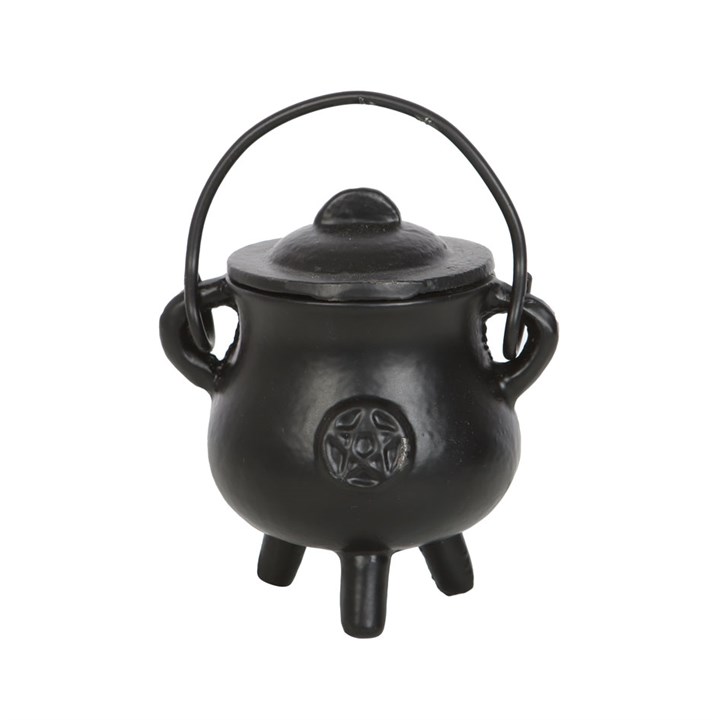
A cauldron is one of those classic witchy tools that just feels right on an altar. It’s a symbol of transformation, rebirth and the divine feminine, but it’s also incredibly practical. There’s something very satisfying about burning herbs and resins, mixing spell ingredients and even brewing ritual tea in a cauldron. If you don’t have one yet, here are a few recommended options.


12. Witch bells – Protecting and cleansing
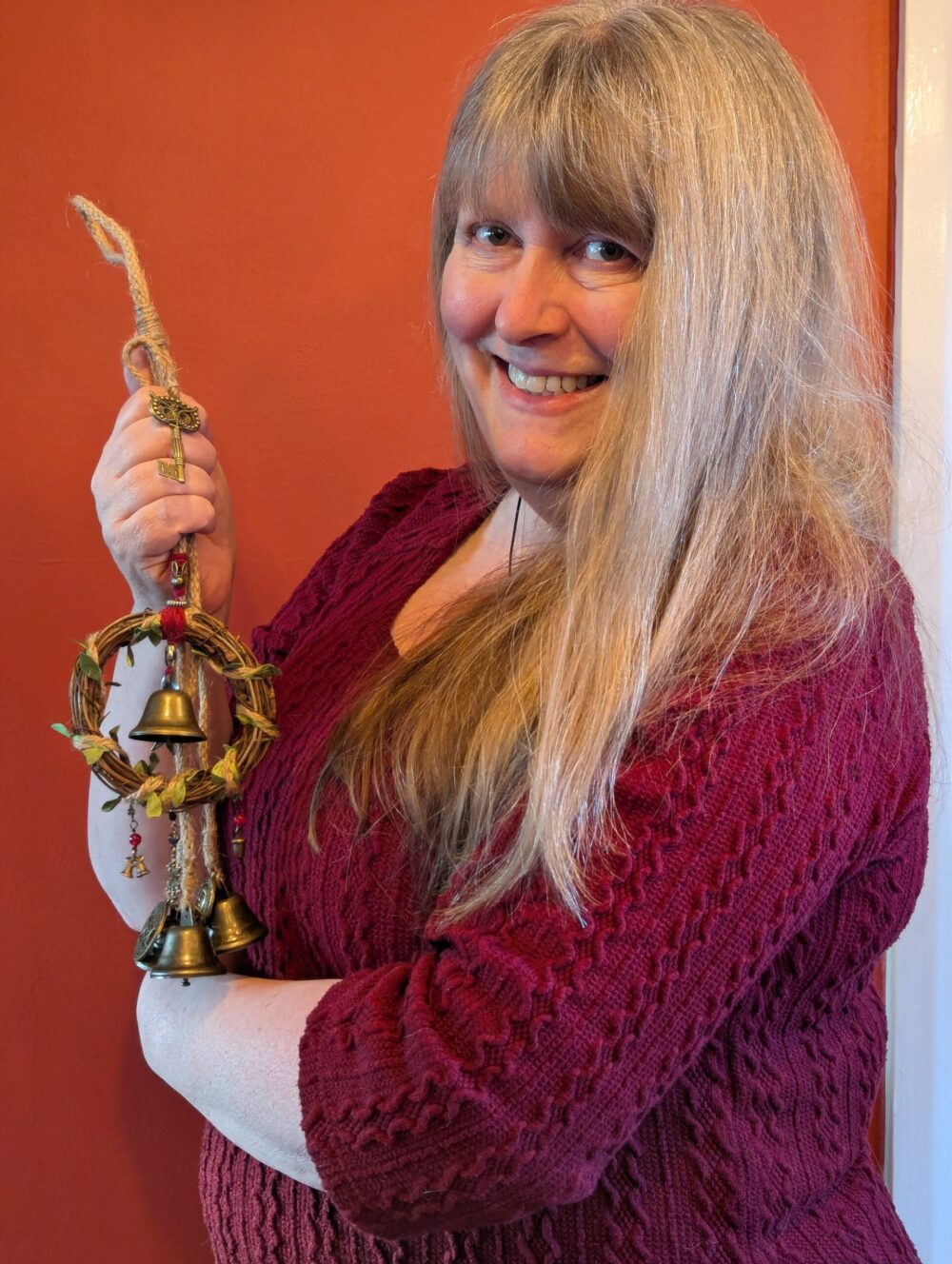
Finally, witch bells are always a beautiful and powerful addition to any witchcraft altar. Traditionally used for protection and cleansing, their gentle chime helps to dispel negative energy and invite in positive vibrations.
Some practitioners hang them above their altar to keep the energy flowing, while others place them directly on the altar to ring whenever they feel the need to reset the atmosphere. However you use them, witch bells add a lovely, magical touch to your altar and practice.

Find out more 🧙♀️👉

Find out more 🧙♀️👉
Find out more 🧙♀️👉
Final Thoughts
At the end of the day, your altar is yours—it should feel personal, meaningful and aligned with your practice. This post has simply been a selection of witchcraft altar ideas to get you started. There’s no rule saying you need every single tool and you certainly don’t have to spend a fortune to create a sacred space. Many altar pieces can be simple things found in nature, such as stones or feathers or even fossils. What matters most is the energy you bring to the table. Let it evolve with you and, most importantly, make it a space that truly feels like home.

Lorna x
FAQs
What is a Wiccan altar?
 A Wiccan altar is a sacred space where practitioners perform rituals, spells, and meditation. It typically includes tools like candles, chalices, crystals, and incense.
Do I need special tools for a beginner altar?
No, beginners can start with simple items like a candle, a small cloth, and one or two symbolic tools. You can gradually add more items as you grow in your practice.
Where should I place my altar?
Place your altar in a quiet, undisturbed area where you can focus and perform rituals without distraction.
How often should I use or maintain my altar?
You can use your altar daily, weekly, or whenever you feel inspired. Regularly cleaning and refreshing it helps maintain its energy and keeps it organized.
Can I create a Wiccan altar in a small space?
Yes! A Wiccan altar doesn’t need a lot of space. A small table, shelf or even a windowsill can serve as an altar. Focus on meaningful items rather than size.
Do I need to follow a specific tradition for my altar?
No. Your altar is personal. You can include items and symbols that resonate with you, combining traditional Wiccan tools with your own spiritual practices.



